How to Eat Healthy Every Day
Discover the essential principles and practical strategies to build sustainable, nutritious eating habits that work for your lifestyle.
Key Features of Healthy Eating
Whole Food Focus
Build your meals around whole, unprocessed foods like vegetables, fruits, whole grains, legumes, and lean proteins. These foods are rich in nutrients and help you feel fuller for longer.
Balanced Portions
Learn to recognise proper portion sizes and create balanced meals with carbohydrates, proteins, and healthy fats. This prevents overeating and ensures stable energy throughout your day.
Hydration Habit
Stay properly hydrated by drinking adequate water throughout the day. Proper hydration supports digestion, energy levels, and overall bodily functions.
Mindful Eating
Develop awareness of your eating habits by eating slowly, without distractions, and listening to your body's hunger and fullness signals. This reduces overeating and improves satisfaction.
Meal Planning
Plan your meals ahead of time to avoid impulsive unhealthy choices and ensure nutritional variety. Proper planning saves time, money, and supports consistent eating patterns.
Sustainability Focus
Adopt eating habits you can maintain long-term rather than short-term restrictive diets. Sustainable approaches focus on gradual improvements and realistic lifestyle changes.
The Foundation: Understanding Balanced Meals
A truly healthy diet is built on understanding what your body needs. Every meal should incorporate a mix of essential nutrients that work together to keep you energised and functioning optimally.
Your plate should be a colourful mix: half vegetables and fruits, a quarter whole grains or starchy vegetables, and a quarter lean protein. This simple framework ensures you're getting vitamins, minerals, fibre, and protein in appropriate proportions.
- Include vegetables of different colours for maximum nutrient diversity
- Choose whole grains over refined carbohydrates for sustained energy
- Include healthy fats from nuts, seeds, olive oil, and fatty fish
- Balance protein intake across meals for stable blood sugar

5-Step Daily Eating Framework
Start with a Nutritious Breakfast
Breakfast sets the tone for your entire day. Include protein (eggs, yoghurt, or nuts), whole grains (oats, whole wheat bread), and fruit. A balanced breakfast stabilises blood sugar, improves concentration, and reduces mid-morning cravings.
Plan Balanced Mid-Morning and Mid-Afternoon Snacks
Strategic snacking prevents energy crashes and overeating at main meals. Choose snacks combining protein and carbohydrates: apple with almond butter, Greek yoghurt with berries, or hummus with vegetables. Avoid sugary snacks that spike blood sugar.
Build Your Lunch Around Vegetables and Protein
Lunch should be substantial enough to sustain you through the afternoon. Make vegetables the largest portion of your plate, add lean protein (fish, chicken, beans, or tofu), and include whole grain carbohydrates. This combination provides lasting energy and essential nutrients.
Prepare a Lighter, Earlier Dinner
Eat dinner 2-3 hours before bedtime to support better sleep quality. Keep portions slightly smaller than lunch, focus on easily digestible proteins and vegetables, and minimise heavy or spicy foods that might disrupt sleep.
Hydrate Consistently Throughout the Day
Drink water with every meal and between meals. Aim for 6-8 glasses daily, adjusting for activity level and climate. Proper hydration supports digestion, nutrient absorption, energy levels, and helps prevent overeating by distinguishing hunger from thirst.
Practical Meal Prep Ideas
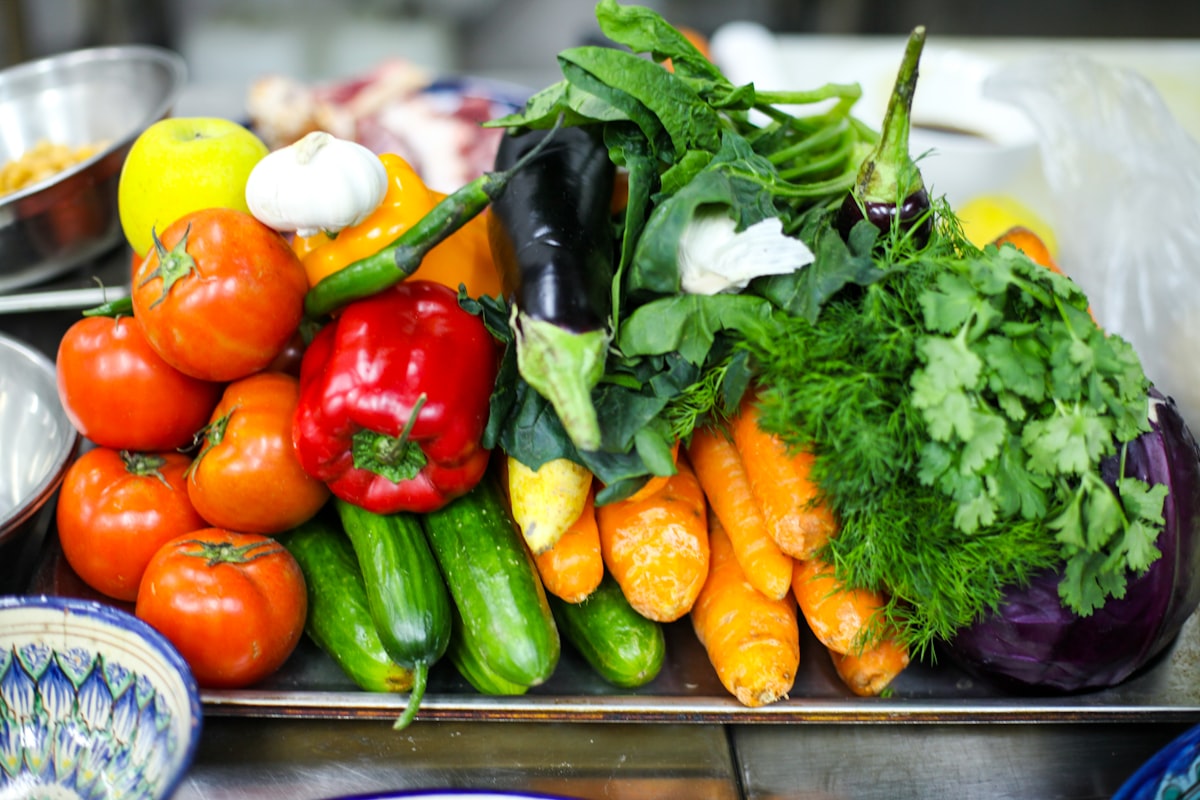
Vegetable Stir-Fry Bowls
Prepare a batch of mixed vegetables and brown rice. Store separately and combine with your choice of protein throughout the week for variety without repetition.
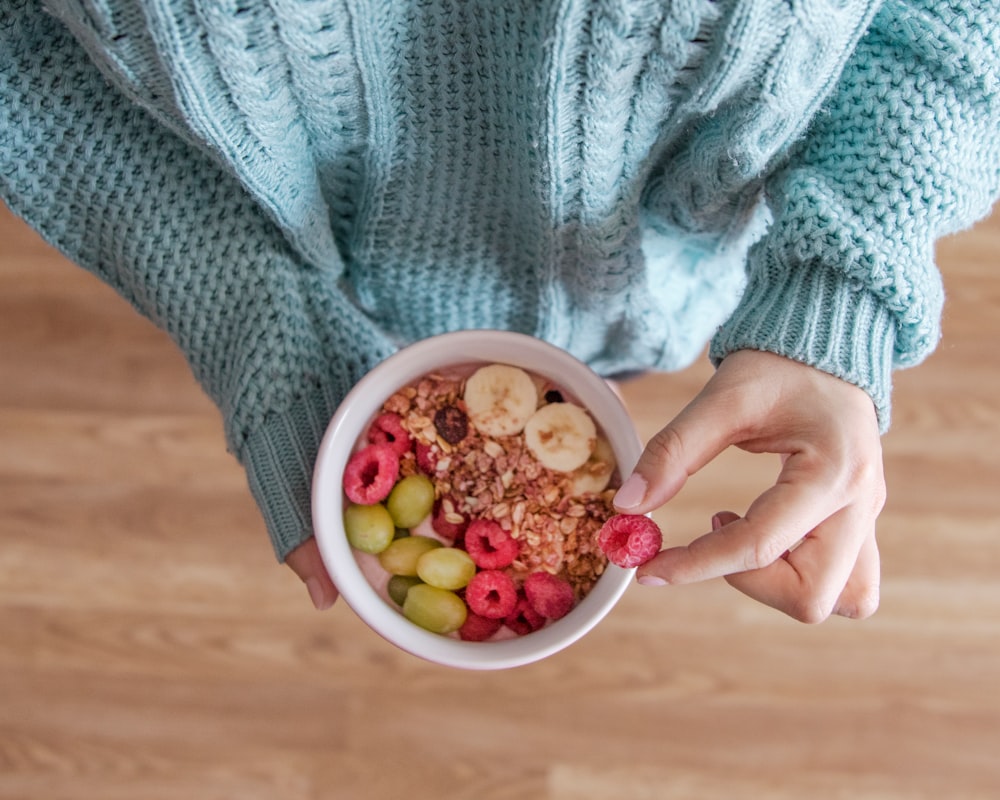
Mason Jar Salads
Layer dressing at the bottom, followed by sturdy vegetables, protein, and greens. This technique keeps salads fresh for up to 5 days and ensures perfectly dressed portions.

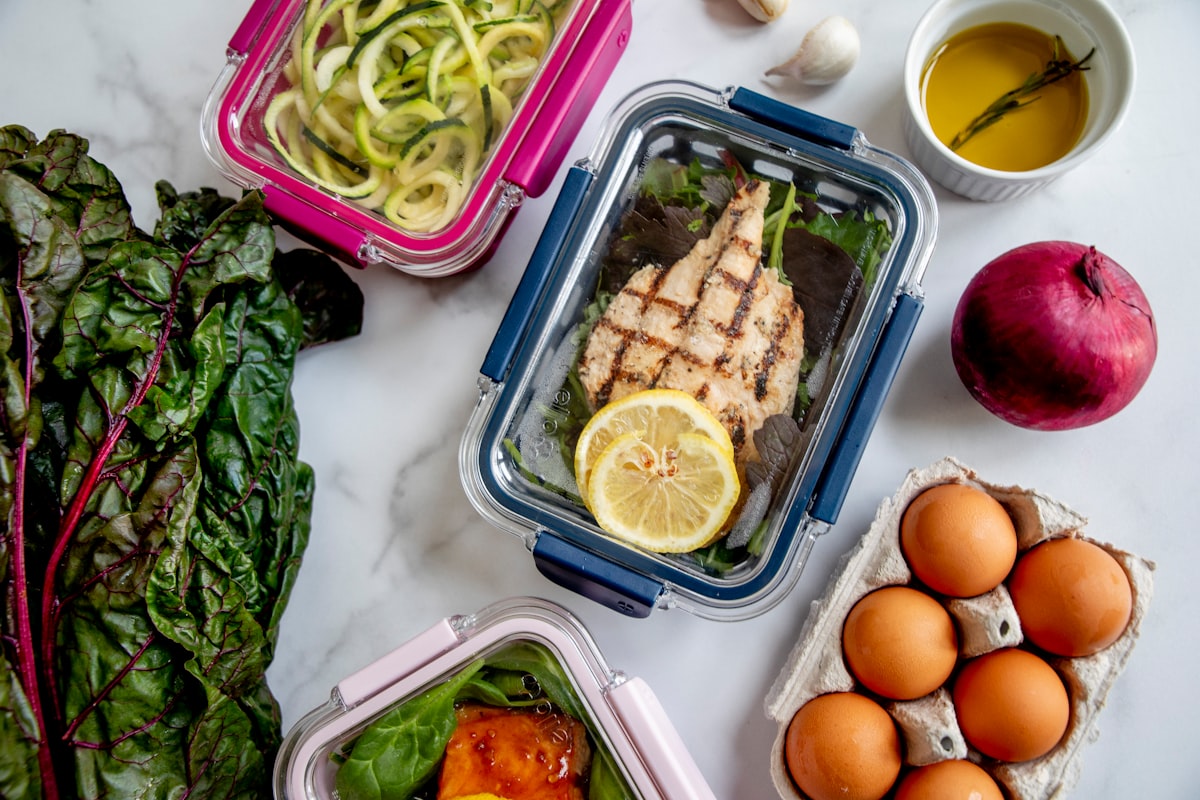
Protein and Roasted Veg
Grill chicken or fish alongside roasted vegetables on a sheet pan. These components remain fresh throughout the week and pair with different grains or starches daily.

Overnight Oats
Mix oats, milk, and toppings the night before. Ready-made breakfasts save morning time and ensure you start your day with complete nutrition.
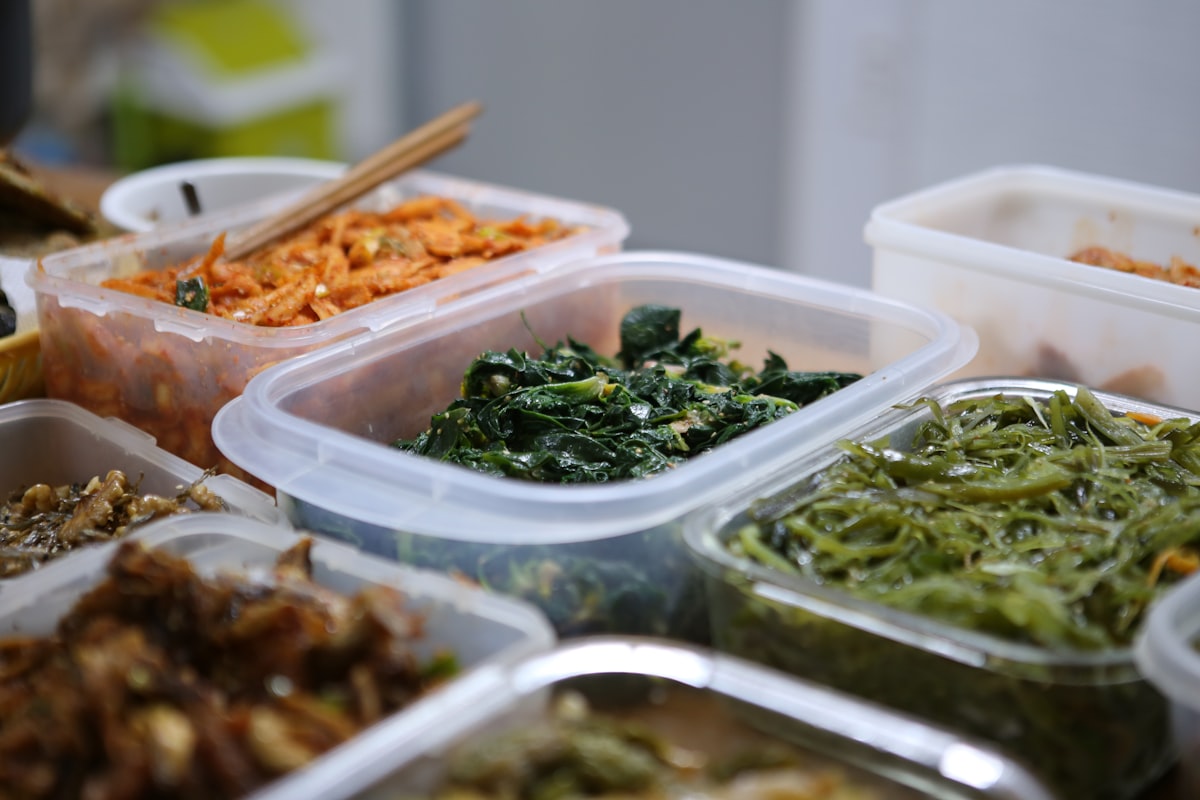
Homemade Snack Packs
Prepare portion-controlled snacks like energy balls, mixed nuts, or homemade granola. Having healthy options ready prevents reaching for processed alternatives.
Batch-Cooked Soups
Cook large pots of vegetable or legume soups and freeze in portions. These provide quick, nutritious meals that support weight management and digestion.
Common Questions About Healthy Eating
Real Stories from Our Community
"Switching to whole foods transformed how I feel daily. I have more energy, my mind is clearer, and I've discovered I actually enjoy healthy cooking. The meal prep ideas saved me so much time during the week. This isn't a diet—it's become my normal."
Sarah Mitchell
London
"I used to skip breakfast and feel exhausted by mid-morning. Following the 5-step framework changed everything. Starting my day with proper nutrition means I eat less overall and don't experience those afternoon crashes. I feel genuinely healthy for the first time."
Marcus Chen
Manchester
Ready to Transform Your Eating Habits?
Start your journey towards consistent, sustainable healthy eating. Discover more articles, recipes, and nutrition guidance to support your goals.